Metal Spinning vs Metal Stamping Choosing the Right Method
Understanding Metal Spinning and Metal Stamping
Overview of Metal Spinning
Metal spinning, also known as spin forming, involves shaping metal into cylindrical or conical forms. This process utilizes a rotating disc of metal, typically aluminum, copper, or other metals, which is gradually formed against a mold. A spinning tool applies pressure to the metal as it rotates, allowing for the creation of intricate designs and profiles with a high degree of accuracy. This method excels in producing lightweight components while maintaining structural integrity. Industries favor metal spinning for its ability to adapt to various design specifications, making it a go-to choice for custom applications.
Overview of Metal Stamping
Metal stamping refers to the process of using a die and a press to cut, shape, and form metal sheets spun aluminum alloys into desired shapes. This method is highly efficient for producing large volumes of parts with consistent quality. Stamping can include processes such as punching, bending, and embossing, often employed in manufacturing sectors like automotive and electronics. While metal stamping is suitable for high-volume production, it often lacks the design flexibility found in metal spinning. The initial setup costs can be high, but the per-unit cost decreases significantly with increased production runs.
Key Differences Between Spinning and Stamping
The primary distinction between metal spinning and metal stamping lies in their respective processes and applications. Metal spinning is ideal for creating complex shapes and designs, particularly for low to medium production runs. In contrast, metal stamping is best suited for high-volume production of simpler shapes. Additionally, metal spinning tends to provide better material utilization, as it minimizes waste during the forming process. On the other hand, stamping can achieve faster production rates, making it favorable for spun aluminum alloys manufacturers needing to produce large quantities of parts quickly. Understanding these differences helps manufacturers choose the right method for their projects based on design requirements and production goals.
Advantages of Metal Spinning for Spun Aluminum
Customization and Design Flexibility
Metal spinning offers unparalleled customization and design flexibility, especially when working with spun aluminum. Spun aluminum allows for intricate designs that can be tailored to specific requirements. The spinning process accommodates a range of thicknesses, diameters, and shapes, enabling designers to explore options that might not be feasible with other manufacturing methods. This adaptability is crucial in industries that demand unique components, such as the aerospace and automotive sectors. Designers can experiment with various features, including contours, textures, and finishes, without significant investments in tooling changes, making spun aluminum a highly versatile option.
Lightweight Characteristics of Spun Aluminum
One of the standout features of spun aluminum is its lightweight properties. Aluminum itself is a lightweight metal, and the spinning process further enhances this attribute by allowing for thinner material usage without compromising strength. This characteristic proves beneficial in various applications, particularly in industries where weight reduction is critical, such as aerospace and automotive. Components made from spun aluminum can lead to significant weight savings, which translates into improved fuel efficiency and performance. The lightweight nature of spun aluminum also facilitates easier handling and installation, making it a preferred choice for many manufacturers.
Cost-Effectiveness in Production
Cost-effectiveness is a significant advantage of using spun aluminum in manufacturing. The metal spinning process requires less material waste compared to traditional methods like stamping, where excess material is often discarded. This efficient use of resources translates into lower material costs. Additionally, the setup costs for metal spinning are generally lower, particularly for small to medium production runs. Manufacturers can quickly produce high-quality parts without the extensive tooling required for stamping. Over time, as production volumes increase, the per-unit cost of spun aluminum components can decrease dramatically, providing an economical solution for various industries.
Applications of Spun Aluminum in Various Industries
Use of Spun Aluminum in Tanks
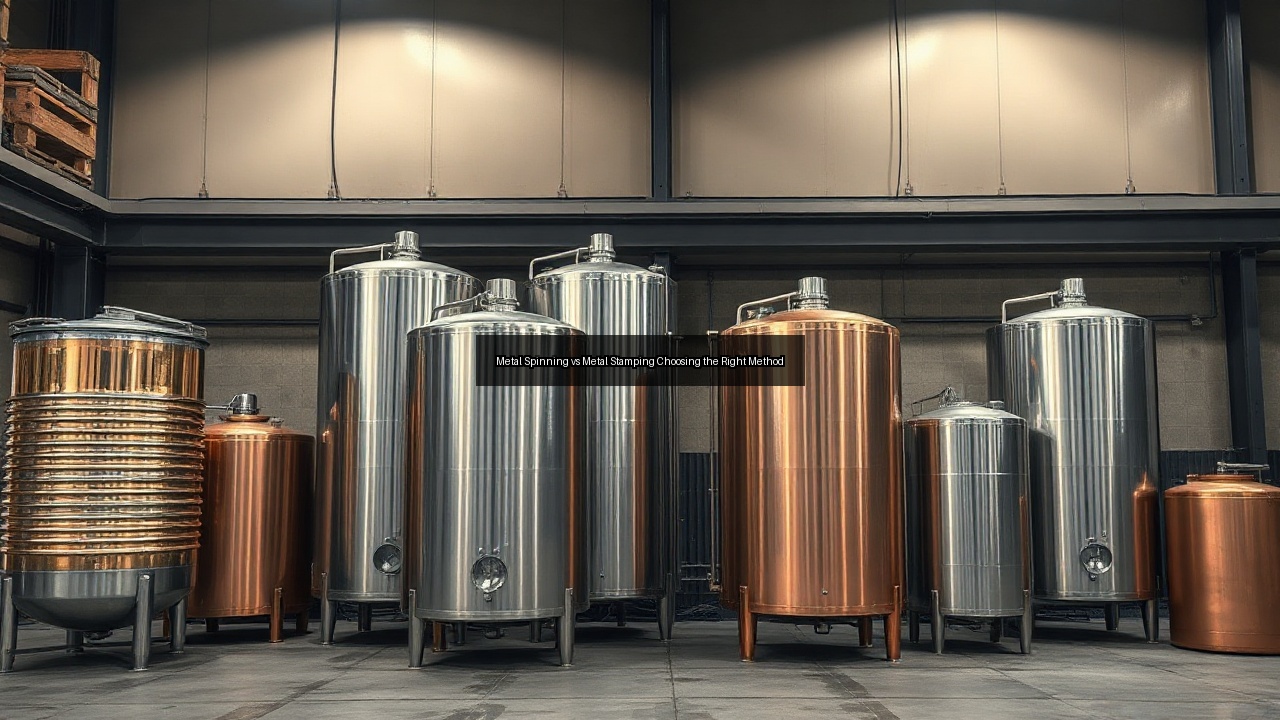
Spun aluminum plays a vital role in the manufacturing of tanks, particularly in industries that require lightweight and corrosion-resistant storage solutions. The metal spinning process allows for the creation of seamless, cylindrical tanks that can hold liquids or gases without the risk of leaks. These tanks are commonly used in applications such as chemical storage, fuel storage, and even in residential settings for water storage. The lightweight nature of spun aluminum makes transportation and installation more manageable compared to heavier materials. Furthermore, aluminum's resistance to rust and corrosion ensures that these tanks maintain their integrity over time, making spun aluminum a reliable choice for tank construction.
Spun Aluminum in Automotive Components
The automotive industry benefits significantly from the use of spun aluminum in various components. Many automotive parts require a balance of lightweight construction and durability, which spun aluminum provides effectively. Components such as wheel covers, heat shields, and fuel tanks made from spun aluminum contribute to overall vehicle weight reduction, enhancing fuel efficiency and performance. The design flexibility of metal spinning allows manufacturers to create complex shapes that meet both aesthetic and functional requirements. As the automotive industry shifts toward more sustainable practices, spun aluminum's lightweight properties and recyclability make it an attractive option for manufacturers seeking to reduce their environmental impact.
Benefits of Spun Aluminum in Aerospace
The aerospace sector recognizes the myriad benefits of spun aluminum, particularly in the production of critical components. Parts such as fuselage sections, engine casings, and other structural elements often utilize spun aluminum due to its lightweight and high-strength characteristics. Engineers appreciate the ability to create complex geometries that enhance aerodynamic performance while maintaining structural integrity. Furthermore, the durability and resistance to environmental factors make spun aluminum ideal for aerospace applications, where components must withstand extreme conditions. The combination of lightweight and robust properties positions spun aluminum as a key material in advancing aerospace technology and improving fuel efficiency.
Factors to Consider When Choosing Between Metal Spinning and Metal Stamping
Material Properties and Suitability
When choosing between metal spinning and metal stamping, material properties play a crucial role. Not all metals are suited for both processes. For instance, spun aluminum shines in applications requiring lightweight and intricate designs, while metals like steel may be more appropriate for stamping due to their strength and rigidity. Understanding the specific properties of the material, such as malleability, ductility, and thickness, helps manufacturers make informed decisions. Each process has its strengths and weaknesses, making it essential to assess how the chosen material interacts with the required manufacturing method.
Production Volume and Cost Analysis
Production volume significantly influences the choice between metal spinning and metal stamping. For low to medium production runs, metal spinning often presents a more economical solution due to lower setup costs and reduced material waste. However, for high-volume production, metal stamping may become more cost-effective as the per-unit cost decreases with larger quantities. Conducting a thorough cost analysis that considers both initial setup expenses and ongoing production costs allows manufacturers to determine the most suitable method for their needs. This strategic approach ensures that they maximize efficiency without sacrificing quality.
Quality and Precision Requirements
Quality and precision requirements dictate the choice of manufacturing method. Metal stamping excels in producing parts with tight tolerances and consistent quality across large runs. However, metal spinning can achieve remarkable precision, especially for complex shapes and custom designs. Evaluating the specific quality standards required for each project is essential. Consider factors such as surface finish, dimensional accuracy, and overall part integrity. By aligning these quality benchmarks with the capabilities of metal spinning or stamping, manufacturers can ensure they select the optimal production method for their applications.