Teflon and Nylon in Swiss Machining What You Need to Know
Understanding Swiss Machining and Its Applications
What is Swiss Machining?
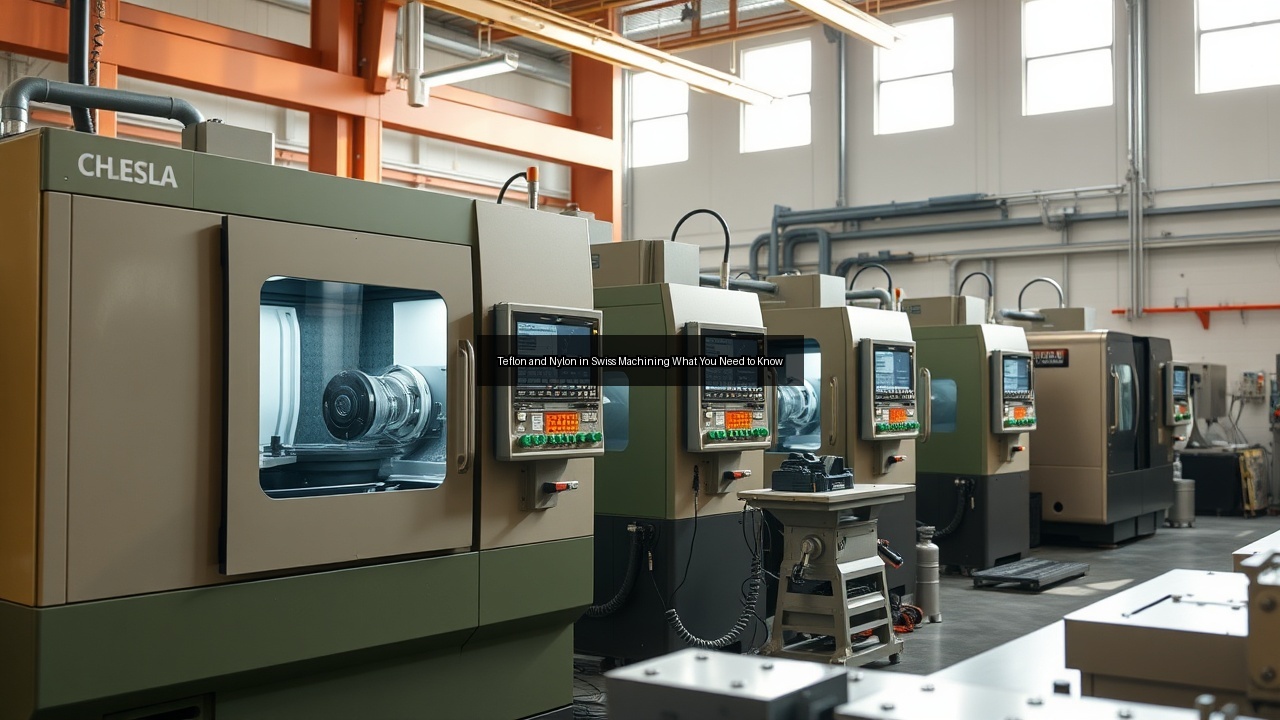
Swiss machining, also known as Swiss screw machining, is a specialized manufacturing process that utilizes advanced CNC machines to produce highly precise components. Originating in Switzerland, this technique enables the fabrication of small, complex parts with exceptional accuracy and efficiency. Swiss machines are designed to handle long, slender cnc machining service workpieces, which makes them ideal for producing intricate components such as pins, screws, and other fasteners. The unique design of the machines allows for the workpiece to move while the cutting tools remain stationary, ensuring superior precision and minimal material waste.
Advantages of Swiss Machining in Manufacturing
Swiss machining offers numerous advantages that make it a preferred choice in various manufacturing sectors. The primary benefit lies in its ability to achieve tight tolerances, which is crucial for industries like aerospace and medical device manufacturing. This capability results in high-quality, precision machined parts that meet stringent specifications. Additionally, Swiss machining provides enhanced efficiency and speed due to its automated processes. The machines can operate continuously, allowing for increased throughput and reduced production times. Furthermore, the use of advanced CNC technology ensures consistent quality and repeatability, making Swiss machining services a reliable option for high-volume production runs.
Key Industries Utilizing Swiss Machining
Swiss machining serves a wide range of industries, including aerospace, automotive, medical, and electronics. In aerospace, manufacturers rely on the precision of Swiss machined components for critical applications like engine parts and structural components. The automotive industry benefits from the production of high-precision screws and pins essential for assembly. In the medical field, Swiss machining creates intricate parts that require tight tolerances and biocompatibility. Electronics manufacturers also utilize Swiss machining for components such as connectors and housings, where precision is paramount. The versatility of Swiss machining makes it an essential process across many sectors, ensuring that high-quality parts are produced efficiently.
Materials in Swiss Machining: Teflon and Nylon
Properties of Teflon (PTFE) in Machining
Teflon, known chemically as polytetrafluoroethylene (PTFE), is a popular material in Swiss machining due to its unique properties. Teflon exhibits exceptional chemical resistance, making it suitable for applications that involve corrosive substances. Its low friction coefficient reduces wear on cutting tools, enhancing the lifespan of machining equipment. Teflon's ability to withstand a wide temperature range further adds to its appeal, allowing it to perform effectively in diverse environments. Additionally, the non-stick surface of Teflon makes it ideal for applications requiring low friction and minimal adhesion, such as seals and gaskets. Its lightweight nature combined with high strength ensures that Teflon can be machined into intricate shapes and components with precision.
Benefits of Using Nylon in Precision Machining
Nylon is another versatile material frequently used in Swiss machining. Known for its durability and strength, nylon provides excellent wear resistance, making it perfect for components subjected to friction. The material's inherent flexibility allows it to absorb shocks and impacts, which is particularly beneficial in applications like gears and bushings. Nylon is also lightweight, contributing to the overall efficiency of the machined components. Its ease of machining allows for high-speed production while maintaining tight tolerances. Additionally, nylon's ability to be dyed in various colors makes it popular for aesthetic applications. Overall, using nylon in precision machining enhances product performance and longevity.
Comparing Teflon and Nylon for Specific Applications
When deciding between Teflon and nylon for specific applications in Swiss machining, several factors come into play. Teflon excels in environments where chemical resistance is crucial; it withstands harsh conditions without degradation. This makes it an ideal choice for components in the chemical processing and food industries. Conversely, nylon is often preferred for mechanical applications due to its superior strength and wear resistance. For instance, when cnc machining services manufacturing gears or bearings, nylon’s durability and shock-absorbing properties provide long-lasting performance. Both materials offer unique advantages, so the choice often depends on the specific requirements of the application, including environmental conditions, mechanical stress, and desired properties.
Precision and Efficiency in Swiss Machining Services
Importance of Tolerances and Accuracy
Achieving precise tolerances and accuracy is critical in Swiss machining services. Many industries, such as aerospace and medical, demand components with tolerances as tight as ±0.001 inches. This level of precision ensures that parts fit correctly and function reliably in their intended applications. Swiss machining techniques, combined with advanced CNC technology, allow manufacturers to meet these stringent specifications consistently. The ability to produce parts with minimal variation enhances product quality and reliability, which are crucial in high-stakes industries. Continuous monitoring and quality control processes, often guided by ISO 9001 standards, further ensure that precision remains a top priority throughout the manufacturing process.
How CNC Machines Enhance Efficiency and Speed
CNC machines play a pivotal role in enhancing efficiency and speed in Swiss machining. These computer-controlled machines automate the machining process, allowing for faster production rates without compromising quality. CNC technology enables rapid tool changes and precise movements, which significantly reduces cycle times. The integration of features like multi-spindle setups allows for simultaneous machining operations, further increasing throughput. Additionally, CNC machines can run unattended, reducing labor costs and allowing manufacturers to focus on other critical tasks. The efficiency gained through CNC machining translates into shorter lead times and increased capacity to handle large-volume orders, making it a favored choice among manufacturers.
Role of ISO 9001 in Quality Management
ISO 9001 plays an essential role in quality management within Swiss machining services. This international standard outlines the requirements for quality management systems (QMS) and emphasizes the importance of consistent quality in products and services. Adhering to ISO 9001 ensures that manufacturers implement effective processes for quality control, risk management, and customer satisfaction. By achieving ISO 9001 certification, machining services demonstrate their commitment to producing high-quality, reliable components. This certification not only enhances a company’s reputation but also builds trust among clients, leading to long-term partnerships. Incorporating ISO 9001 principles helps streamline operations and fosters a culture of continuous improvement in Swiss machining.
The Future of Swiss Machining: Trends and Innovations
Emerging Technologies in CNC Machining
Emerging technologies are reshaping the landscape of CNC machining, driving innovation and efficiency in Swiss machining services. Advanced automation, including robotics and artificial intelligence, enhances machine capabilities, enabling faster setups and improved operational efficiency. Smart CNC machines equipped with IoT technology provide real-time data monitoring, allowing for predictive maintenance and minimizing downtime. Additionally, additive manufacturing techniques, such as 3D printing, complement traditional machining processes, enabling the production of complex geometries that were previously difficult to achieve. These technologies collectively improve production flexibility, reduce waste, and enhance overall efficiency in Swiss machining operations.
Sustainable Practices in Swiss Machining
Sustainability is becoming increasingly important in Swiss machining. Manufacturers are adopting eco-friendly practices to minimize their environmental impact. This includes using recyclable materials, implementing energy-efficient machines, and reducing waste through lean manufacturing principles. Sustainable machining not only benefits the environment but also appeals to customers who prioritize eco-conscious products. Innovations such as biodegradable cutting fluids and waste recycling programs demonstrate a commitment to sustainability without compromising quality or efficiency. By integrating sustainable practices, Swiss machining services can enhance their marketability and align with global trends towards environmental responsibility.
Impact of Logistics Management on Production Throughput
Logistics management significantly influences production throughput in Swiss machining services. Efficient logistics ensure that raw materials, components, and cnc machining service finished products move seamlessly through the supply chain. Effective inventory management minimizes delays and reduces lead times, allowing manufacturers to respond swiftly to customer demands. Utilizing Just-In-Time (JIT) inventory systems further enhances efficiency by ensuring that materials arrive precisely when needed, reducing excess stock and associated costs. Additionally, strategic partnerships with logistics providers can streamline transportation and distribution processes. By optimizing logistics management, Swiss machining services can improve production throughput, enhance customer satisfaction, and maintain their competitive edge in the market.
See Also
- Why ISO 9001 Certification Matters in Swiss Machining Services
- Enhancing Product Quality with Advanced Swiss Machining Techniques
- Copper and Acetal in Swiss Machining A Material Perspective
- The Evolution of Swiss Machining Technologies Over the Years
- Why Swiss Machining is the Go-To for Screw Machined Components